
freestanding bathroom mirror
The Vital Role of Truss Plates in Structural Integrity In the intricate realm of construction and engineering, the significance of seemingly minor components often goes unnoticed by the untrained eye. One such crucial element that plays a pivotal role in ensuring the stability and longevity of structures is the truss plate. These small yet mighty metal connectors serve as the backbone for numerous structures, from residential homes to large-scale commercial buildings. In this article, we delve into the world of truss plates, exploring their function, types, manufacturing process, and why they are indispensable in modern construction practices. **Understanding Truss Plates** Truss plates are specialized metal connectors designed primarily to join timber or wooden members in trusses, which are triangular frameworks providing support for roofs and other structural elements. They consist of a flat metal sheet, usually made from galvanized steel to resist corrosion, punched with teeth or embossments that bite into the wood upon installation, creating a secure and rigid joint. The design of truss plates allows them to distribute loads efficiently across the connected timbers, enhancing the overall strength and stability of the structure. **Function and Significance** The primary function of truss plates is to transfer forces—such as tension, compression, and shear—across joints within a truss system. Their strategic placement along the truss members ensures that the load from the roof or upper floors is evenly distributed down to the walls and ultimately to the foundation. Without truss plates, timber connections would rely solely on nails or screws, which are less effective in managing complex stress distributions and prone to failure under heavy loads or over time. **Types and Varieties** Truss plates come in various shapes and sizes to accommodate different truss configurations and loading requirements. Some common types include 1. **Gable End Plates** Designed for connecting the end trusses to the wall top plates. 2. **Hip Plates** Specifically shaped for hip roof trusses, where they join at angles. 3 3 3 3 truss plate . **Web Plates** Smaller plates used within the body of the truss to connect chords and webs. 4. **Connector Plates**,, placement。 Manufacturers often customize truss plates based on engineering specifications, ensuring each plate meets the exact structural demands of the project. **Manufacturing and Quality Control** The production of truss plates involves precision stamping machines that punch out the plate shape and teeth pattern from sheets of galvanized steel. Quality control is paramount in this process, with rigorous testing for material strength, dimensional accuracy, and the integrity of the zinc coating. Advanced technologies like computer-aided design (CAD) and manufacturing (CAM) systems ensure precise fabrication, while third-party certifications like those from the American Iron and Steel Institute (AISI) provide additional assurance of product quality. **Importance in Modern Construction** In contemporary construction, truss plates have become indispensable due to their efficiency, cost-effectiveness, and versatility. They facilitate prefabrication of trusses off-site, which can then be quickly assembled on-site, significantly reducing construction time and labor costs. Moreover, their standardized production and ease of use contribute to the consistency and safety of structures, making them a staple in both residential and commercial building projects. **Conclusion** Truss plates, though small in stature, stand tall in their contribution to structural integrity. Their ability to reinforce timber connections, distribute loads efficiently, and facilitate efficient construction practices underscores their importance in modern architecture. As the industry continues to evolve, embracing new materials and technologies, the role of truss plates is likely to adapt and expand, further solidifying their status as vital components in the quest for safer, stronger, and more sustainable structures. Understanding the intricacies and significance of these connectors provides a deeper appreciation for the unseen heroes holding up our built environment.
about
freestanding bathroom mirror
Types of Plug Gauges An Essential Tool for Precision Measurement In the fields of manufacturing and engineering, precision is paramount. Ensuring that components fit together flawlessly can make the difference between a successful assembly and a costly failure. One indispensable tool in achieving this level of precision is the plug gauge. Plug gauges are instruments used to check the dimensions of holes, ensuring that they meet specified tolerances. This article delves into the various types of plug gauges, their applications, and their significance in quality control. What is a Plug Gauge? Plug gauges are simple yet effective tools that act as standards used to measure the diameter of holes. Typically made from high-grade steel, these gauges are manufactured with utmost precision to provide reliable measurements. The fundamental design consists of a cylindrical body with a precise diameter that corresponds to the nominal size of the hole being measured. Types of Plug Gauges Plug gauges can be classified based on various criteria, such as function, design, and application. Here are some of the most common types 1. Go and No-Go Gauges These are the most frequently used types of plug gauges and are essential for quality control . The “Go” gauge is designed to fit into a hole that meets the upper tolerance limit, while the “No-Go” gauge will not fit in a hole that is within the lower tolerance limit. This binary system allows for quick assessments of whether a hole is acceptable or not. 2. Fixed Plug Gauges As their name suggests, fixed plug gauges have a predetermined size and are not adjustable. They come in various diameters and are ideal for checking specific dimensions in mass production where the same size features are consistently required. 3. Adjustable Plug Gauges Unlike fixed gauges, adjustable plug gauges can be modified to check a range of hole sizes. They come with a micrometer mechanism that allows for minute adjustments. These gauges are particularly useful for prototyping or when varied sizes need to be measured without changing the tool. 4. Segmented Plug Gauges These gauges feature several sections of different diameters, allowing them to check holes for multiple sizes with a single tool. This design can save time and increase efficiency, especially in production environments where rapid measurements are essential. types of plug gauge 5. Master Plug Gauges Master plug gauges are high-precision tools used to calibrate other gauges and measuring instruments. They are produced with such accuracy that they can serve as a standard reference point for quality assurance in manufacturing processes. Applications of Plug Gauges Plug gauges are widely used in various industries, including - Manufacturing In quality control, plug gauges are used to inspect holes in components like engine blocks, pipes, and fittings. - Aerospace The stringent safety standards in aerospace applications make plug gauges crucial in ensuring that parts meet strict tolerances. - Automotive The automotive industry relies on plug gauges for critical components, where precise fitment is vital for performance and safety. - Construction Plug gauges are used to check the diameter of holes in construction materials to ensure structural integrity. Importance of Plug Gauges in Quality Control The use of plug gauges is integral to maintaining quality in manufacturing processes. By ensuring that components meet specified tolerances, plug gauges help to reduce product failures, rework, and material waste. They also facilitate compliance with industry standards and regulations, which can be critical for companies aiming to maintain certifications. Moreover, the simplicity and effectiveness of plug gauges make them accessible to operators at all skill levels. Training staff to use these gauges takes minimal time, thus contributing to a streamlined production process. Conclusion In summary, plug gauges are essential tools in the world of manufacturing and engineering. Their various types, including Go and No-Go gauges, adjustable, segmented, and master gauges, cater to different application needs. As industries continue to emphasize precision and quality, the role of plug gauges will remain vital in ensuring that components fit together seamlessly, thereby fostering reliability and excellence in production. Whether in aerospace, automotive, or construction, plug gauges stand out as a testament to the commitment to quality and precision in engineering.
-

High quality industrial productsagement

High quality industrial products
View Details -

Meet the diverse needs of customers

Meet the diverse needs of customers
View Details -

Strict quality control

Strict quality control
View Details -

Top raw materials

Top raw materials
View Details -

Trusted supplier

Trusted supplier
View Details
Our application

news and information

Valve de 3 pouces
La Vanne à Papillon de 3 Pouces Un Élément Clé dans la Gestion des Fluides Dans l'univers de la plo
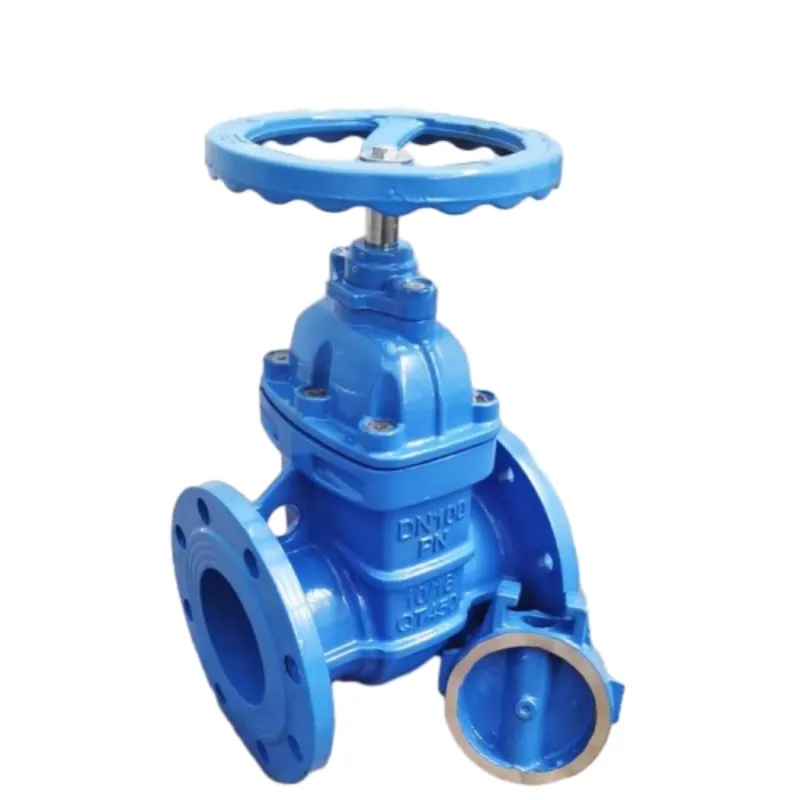
Water valve issues preventing proper shut off and causing leaks in the system
Troubleshooting a Water Valve That Won't Shut Off Dealing with plumbing issues can be a homeowner's
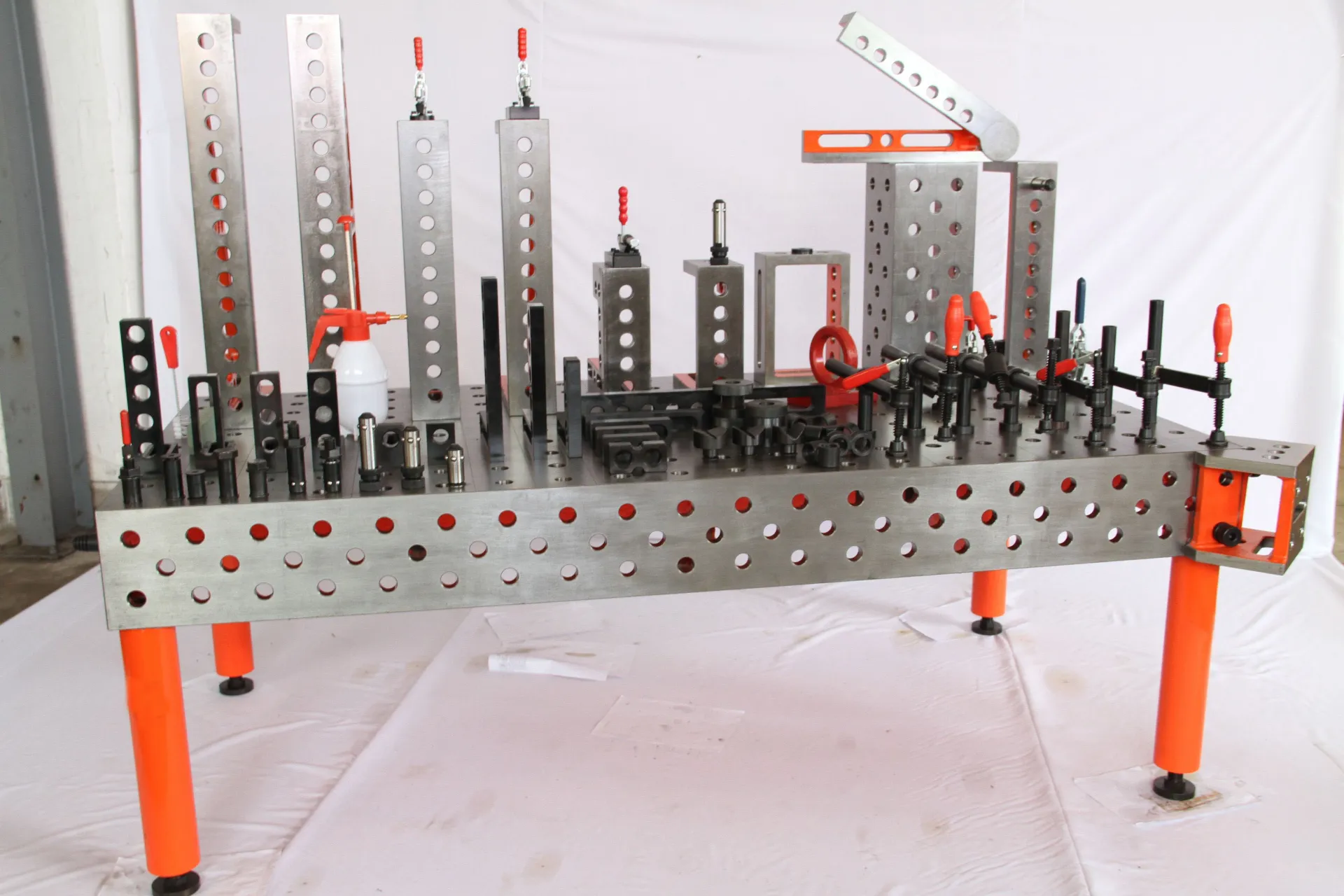
Verstellbarer Erdanker – Optimale Stabilität für Ihr Bauprojekt
Verstellbare Bodenanker Eine innovative Lösung für zahlreiche Anwendungen Verstellbare Bodenanker si
 English